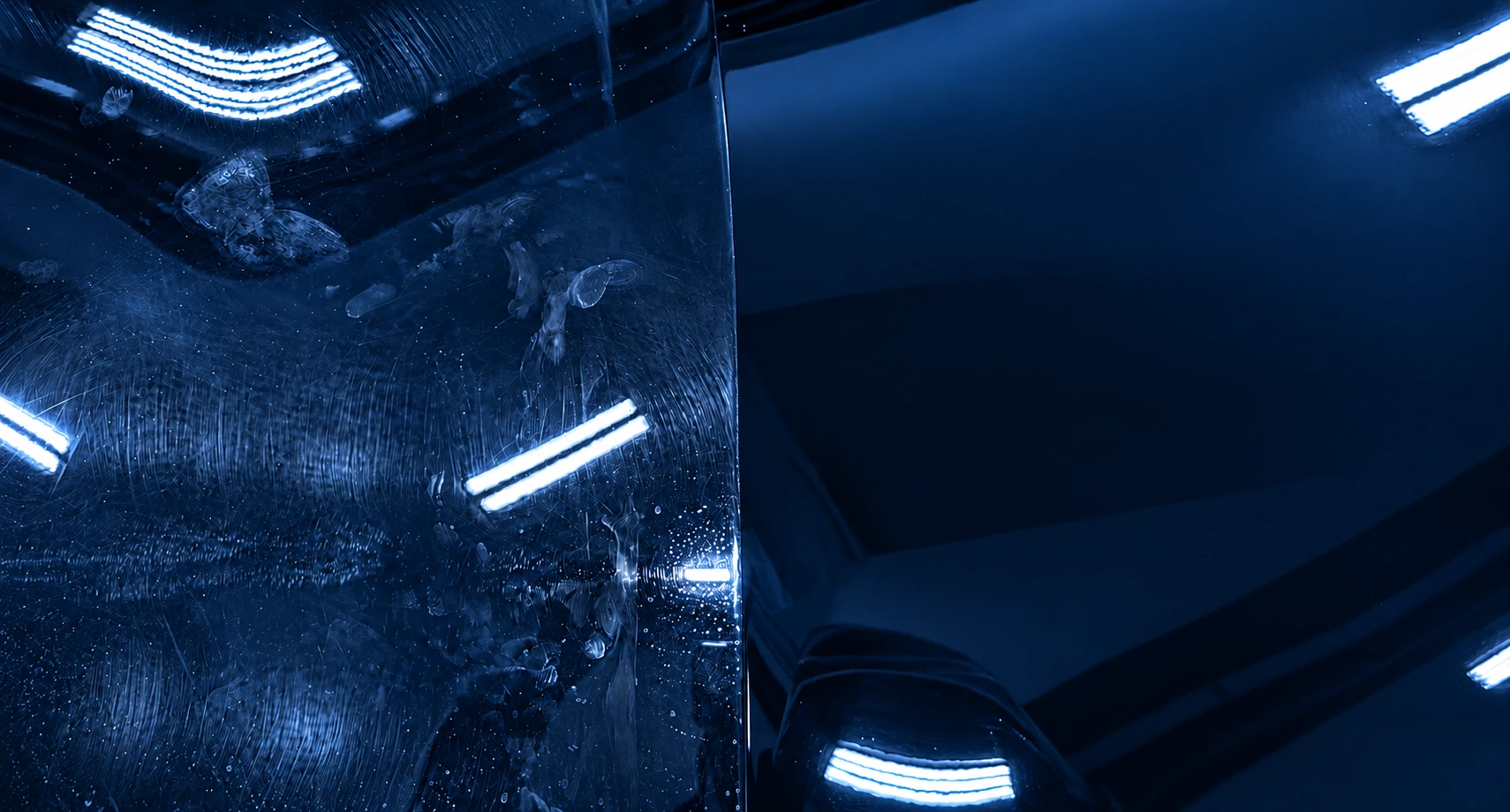
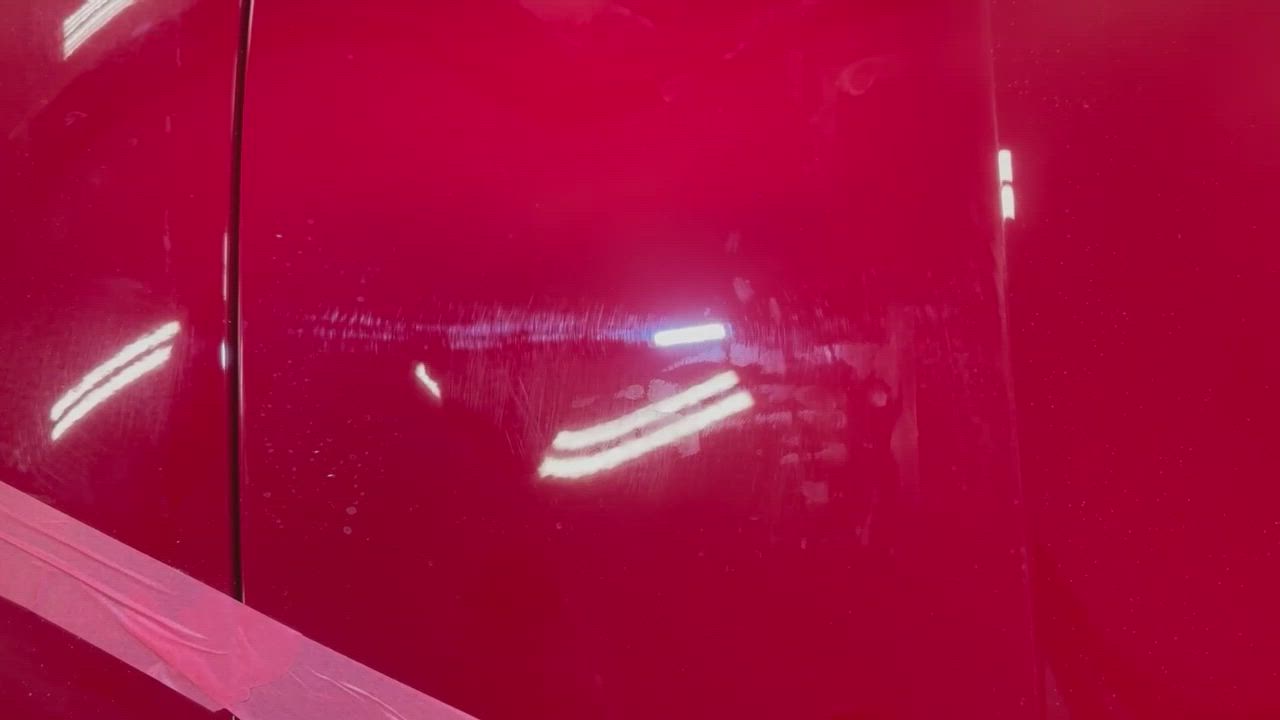
Deep blue automotive paint reflecting shop lights after paint correction

Paint correction · Denver

Bring the finish back to life.

Swirl marks, wash marring and haze dull even well-kept paint. Paint correction is measured machine polishing that reduces those defects, so the finish reflects light cleanly again.

  • Diagnosis firstInspected before any polishing
  • Free test spotSee the result before you commit
  • Clear-coat awareOnly as much as the paint can give
  • Protect the resultCeramic options after correction

Correction vs cleaning

A wash makes paint clean. Correction changes how it reflects light, and that is the difference between a car that looks washed and one that looks right.

Know what you’re looking at

The right correction starts with the right diagnosis.

Most defects live in the clear coat, the thin protective layer above your color. Here’s what we look for and what polishing can realistically do.

Typically very correctable

Swirl marks

Fine circular scratches from washing and drying, most visible in direct sun or under shop lights. The most common reason owners book correction.

Typically correctable

Wash marring

Straight-line marks from automatic washes, dirty towels and dry wiping.

Correctable with refining

Haze & holograms

Buffer trails left by previous machine work that was never properly refined.

Often improved significantly

Oxidation

Chalky, faded paint from UV exposure, especially on older or single-stage finishes that spend years under the Colorado sun.

Reduced, not always removed

Light scratches & scuffs

Marks within the clear coat improve well. If a fingernail catches, the scratch may be too deep to remove completely.

Depends on depth

Water spots & etching

Mineral spots sit on the surface. Etching sinks into the clear coat and may only partially improve.

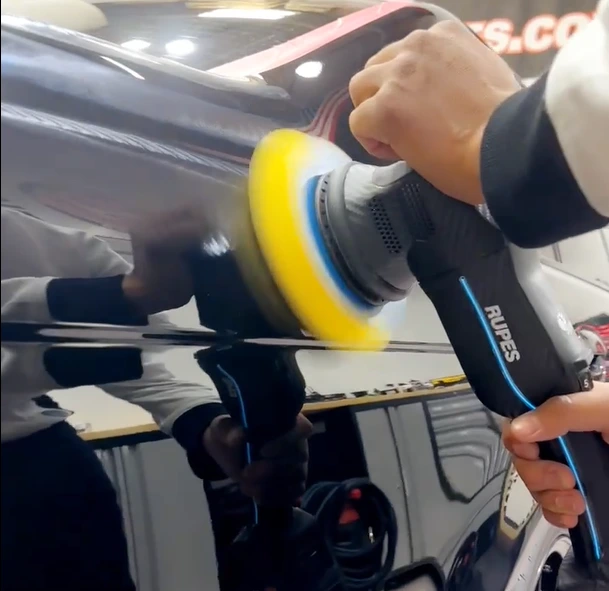
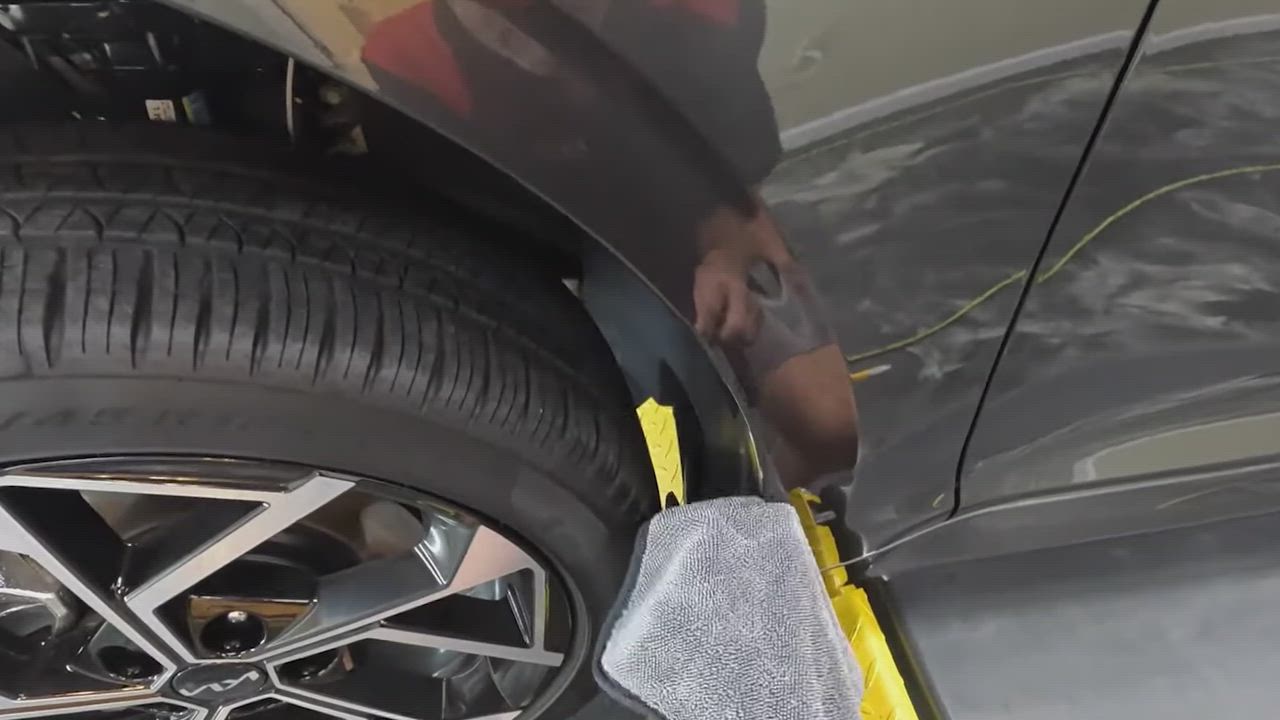
Revive Labs technician machine polishing a vehicle panel
Machine polishing in progress

Diagnosis first

We inspect before we polish.

Every correction starts with a wash, decontamination and inspection under proper lighting. We look at defect type, depth and clear-coat condition, then test a section to find the least aggressive combination that delivers the result.

Inspect
Lighting reveals what the sun does.
Test
A small section proves the approach.
Correct
One or more polishing stages.
Refine
Finishing removes haze and holograms.

Two levels of correction

Enhancement or full correction?

The right choice depends on the paint, your goals and how long you plan to keep the vehicle.

One-step polish

Paint enhancement

A single polishing stage that lifts gloss, improves clarity and reduces lighter swirls. Ideal for paint in decent shape, or before a coating.

  • Noticeable gloss and clarity
  • Lighter defects reduced
  • Less time in the shop
Two or more stages

Multi-stage correction

A cutting stage removes more defect depth, then refining restores clarity. For heavily swirled, neglected or enthusiast finishes.

  • Deeper defect reduction
  • Maximum clarity and reflection
  • More time, more care
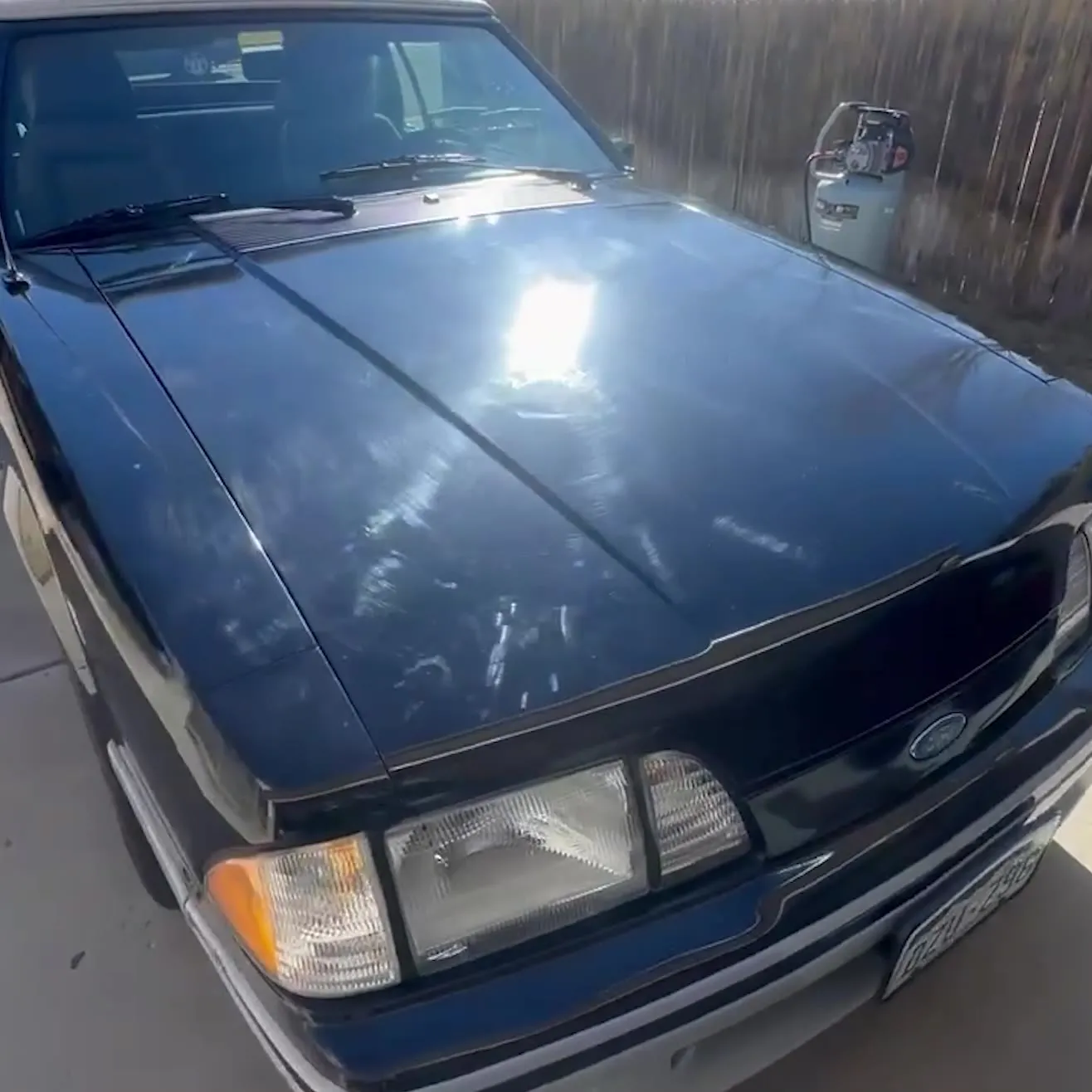
1990 Ford Mustang GT in dark blue at the start of a paint correction project
1990 Ford Mustang GT · 2-step correction + ceramic

From our results

1990 Ford Mustang GT.

A two-step correction followed by ceramic protection, one of the recent projects from our lab.

Correction is about the paint in front of us, so every project starts with an inspection, not a promise.

!
Clear coat is finite.

Polishing removes a microscopic amount of clear coat. We correct to the safest level that achieves a strong result, and we won’t chase every last defect at the expense of your paint’s future.

Process

Clear from start to finish.

What happens to your vehicle, step by step.

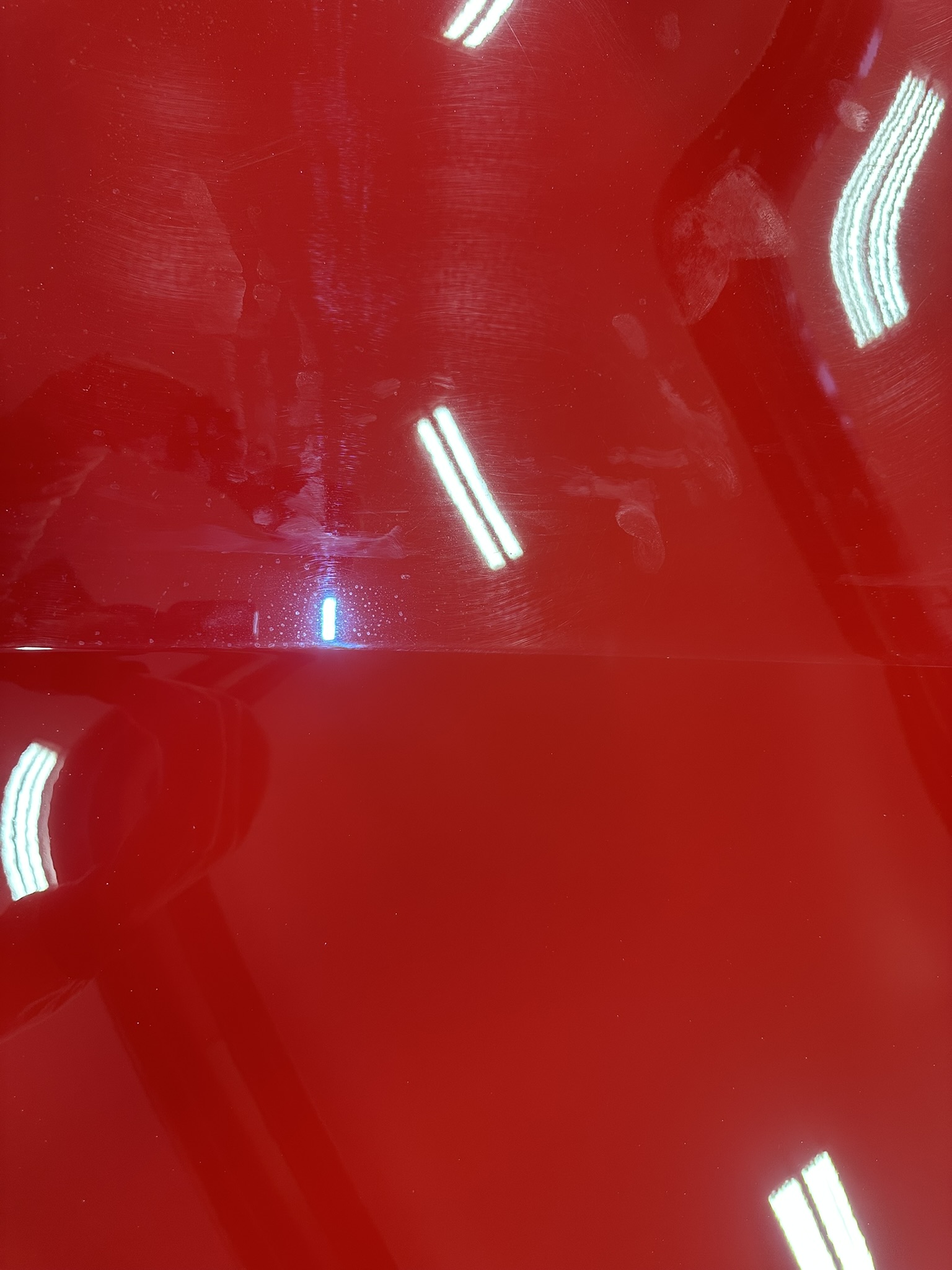
Glossy red paint reflecting overhead lights
  1. 01

    Wash and decontaminate

    Bonded contamination comes off first, so polishing only works on the paint itself.

  2. 02

    Inspect under lighting

    We map defects panel by panel and agree on the goal with you.

  3. 03

    Test spot

    A small section confirms the pad and polish combination before the full vehicle.

  4. 04

    Correct

    One or more polishing stages reduce defects to the agreed level.

  5. 05

    Refine

    Finishing polish removes haze and brings out clarity and depth.

  6. 06

    Protect

    A ceramic coating, sealant or PPF helps keep the result.

Close-up of corrected red paint with sharp reflections

Free paint test spot

See what your paint can become before you choose a plan.

Questions

The important questions.

Will paint correction remove every scratch?

No. Correction reduces defects within the clear coat. Scratches that reach the base coat or primer can be improved visually, but polishing can’t remove them completely.

How long does paint correction last?

The defects we remove don’t come back on their own. New swirls come from how the paint is washed and maintained afterwards, which is why protection and good wash habits matter.

Should I add ceramic coating after correction?

It’s a natural pairing. Correction perfects the finish; a ceramic coating helps protect it and makes maintenance easier. It’s recommended, not required.

Can paint correction be done as mobile service?

We can assess your paint and polish a test spot on location. Full correction is best done in the shop, where lighting and conditions are controlled.

How is paint correction priced?

By vehicle size, paint condition, the number of stages and your goals. We confirm your price after inspection and before any work begins.

Let’s see what your paint can become

Start with a paint assessment.

Tell us about the vehicle and what bothers you about the finish. We’ll recommend an enhancement, a full correction or a test spot first.

Prefer to talk? (720) 383-7140sales@revivelabsdetailing.com